Fibromyalgia and itching: Possible causes and how to find relief
.jpg)
October 1, 2026
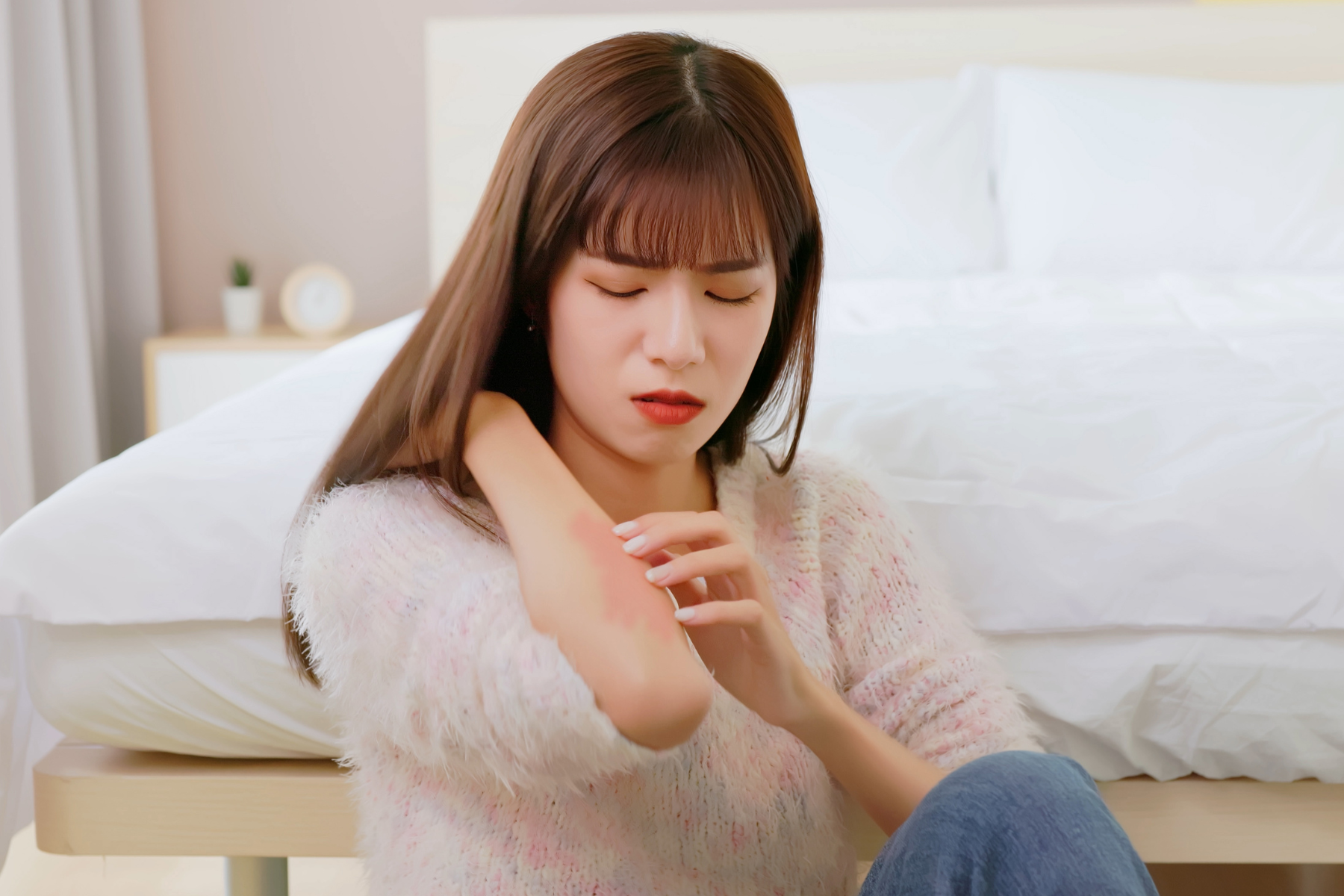
- Itching can occur in fibromyalgia and may be linked to how the nervous system processes pain and touch. However, more research is needed to undertand the link.
- Fibromyalgia-related itching often occurs without a rash or other visible skin changes. It may be persistent or come and go, and can range from mild to severe.
- Common triggers include certain medications, stress, and temperature changes.
- Tracking when itching appears and what’s happening around it can help you and your healthcare provider identify patterns and ways to improve comfort.
If you live with fibromyalgia, you’re probably familiar with the widespread pain that defines the condition. But for some people, pain isn’t the only challenge. Persistent itching can be just as frustrating, especially when there’s no rash or obvious cause to explain it.
This guide explores what may cause fibromyalgia-related itching, common triggers, and practical ways to find relief.
Is itching a fibromyalgia symptom?
Yes. Although itching isn’t considered one of the main symptoms of fibromyalgia, it can occur in some people with the condition. In a study of 65 females with fibromyalgia, nearly half reported itchiness, with many describing it as moderate to severe.
While itching isn’t as well recognized as widespread pain or fatigue, it can still have a significant impact on comfort and quality of life.
What does fibromyalgia itching feel like?
Fibromyalgia-related itching can feel different for everyone. People describe a range of sensations, including:
- Burning
- Tingling
- Prickling or pins and needles
- A crawling sensation on or under the skin
- Sharp or irritating sensations that seem to move from one area of the body to another
Unlike many skin conditions, this type of itching often occurs without a visible rash or other obvious skin changes, even when the urge to scratch is strong. For many people, it comes and goes rather than staying constant.
{{pro-tip-1}}

What causes fibromyalgia itch?
The exact cause of fibromyalgia-related itching isn’t fully understood. Researchers believe several biological processes may contribute, but more research is needed to understand why some people develop itching while others do not.
Changes in the nervous system
One leading theory is central sensitization, where the central nervous system becomes more sensitive and amplifies pain and other sensory signals.
Researchers believe this heightened sensitivity may also contribute to itching, burning, tingling, and other unusual skin sensations in some people with fibromyalgia.
Shared pathways between pain and itch
Research suggests that chronic pain and chronic itch share some of the same biological pathways. Proposed mechanisms include changes in inflammation, immune signaling, and nerve function, although more research is needed to understand exactly how these processes contribute to itching in fibromyalgia.
{{pro-tip-2}}
Fibromyalgia itching vs. skin conditions
Fibromyalgia-related itching often occurs without a visible rash or other obvious skin changes. However, itching can have many causes, and having fibromyalgia doesn’t mean another skin condition can’t also be present.
If your symptoms change or you notice new skin changes, it’s important to speak with your healthcare provider.
Contact dermatitis
Contact dermatitis develops when your skin reacts to an irritant or allergen. Unlike fibromyalgia-related itching, it usually causes visible redness, swelling, dryness, or a rash, often after contact with a new skincare product, detergent, fabric, or other trigger.
Chronic hives (urticaria)
Chronic hives cause raised, itchy welts that can appear anywhere on the body and often come and go over time. These welts are a key difference from fibromyalgia-related itching, which usually occurs on skin that looks normal.
Some studies suggest chronic hives may be more common in people with fibromyalgia, although the evidence is mixed.
Psoriasis
Fibromyalgia-related itching often occurs without a visible rash or other obvious skin changes. Psoriasis, on the other hand, typically causes well-defined, scaly patches of skin.
In 2024, researchers found that the two conditions can overlap. 8–30% of people with psoriasis were also found to have fibromyalgia. Psoriasis was also reported slightly more often in people with fibromyalgia than in those without it.
If your itching is accompanied by a persistent rash, scaling, or other changes to your skin, don’t assume it’s caused by fibromyalgia alone. It’s important to speak with your healthcare provider, as another skin condition may also be contributing.
{{inline-cta-1}}
Factors that may make fibromyalgia itching worse
There’s limited research into what specifically triggers itching in people with fibromyalgia. However, some factors known to affect chronic itch more broadly may also be worth paying attention to.
Stress
Stress can intensify chronic itch in some people, although this hasn’t been studied specifically in fibromyalgia-related itching.
Tracking stressful periods alongside your symptoms may help you notice whether there’s a pattern.
Medication changes
Some medications used to treat fibromyalgia, including duloxetine (Cymbalta), pregabalin (Lyrica), and certain pain medications, can cause itching or unusual skin sensations as a side effect in some people.
If your itching began after starting a new medication or changing your dose, speak with your healthcare provider. They can review whether your medication may be contributing and discuss whether an adjustment or alternative treatment is appropriate.
Dry skin and temperature
Hot water, dry air, and changes in temperature can dry or irritate the skin, which may make itching feel worse regardless of its underlying cause.
How to manage fibromyalgia itching
There’s no single solution that works for everyone, but small daily habits and symptom tracking can make a real difference. Because fibromyalgia itching often stems from nerve sensitivity, the goal is to soothe the skin and calm the nervous system at the same time.
#1: Keep your skin hydrated
Use a gentle, fragrance-free moisturizer after bathing. Keeping the skin well-hydrated helps maintain its natural barrier function and prevents moisture loss that can lead to irritation. Regular use of moisturizers strengthens the outer layer of the skin, reducing discomfort caused by dryness or temperature changes.
#2: Reduce stress where possible
Mindfulness, meditation, and other mind-body techniques may help calm nervous system overactivity, reducing itch intensity and frequency.
#3: Review medications with your provider
Some medications can cause itchiness. If symptoms began after a medication change, ask your healthcare provider whether an adjustment or alternative might help. Never stop medication on your own.
#4: Create a comfortable environment
Research shows that cold or dry environments can weaken the skin’s natural barrier, increasing the chance of dryness, irritation, and itching.
Keeping indoor humidity steady and avoiding sudden temperature changes may help protect skin comfort.
#5: Track what triggers your itching
Logging symptoms, stress levels, medication, and environmental changes helps you spot patterns over time. It can also help you and your healthcare provider rule out other possible causes of itching, making it easier to understand what may be helping or worsening your symptoms.
When should you see a doctor?
See your healthcare provider if your itching:
- Is persistent, severe, or interfering with your sleep or daily life
- Is accompanied by a rash, persistent redness, scaling, swelling, open sores from scratching, or signs of infection
- Started after beginning a new medication or changing your dose
- Is changing, worsening, or becoming more difficult to manage
Even if your itching seems related to fibromyalgia, don’t assume it’s the only cause. Your healthcare provider can help rule out other skin conditions, medication side effects, or other possible explanations and recommend appropriate treatment.
Manage your condition easily with the Human Health app
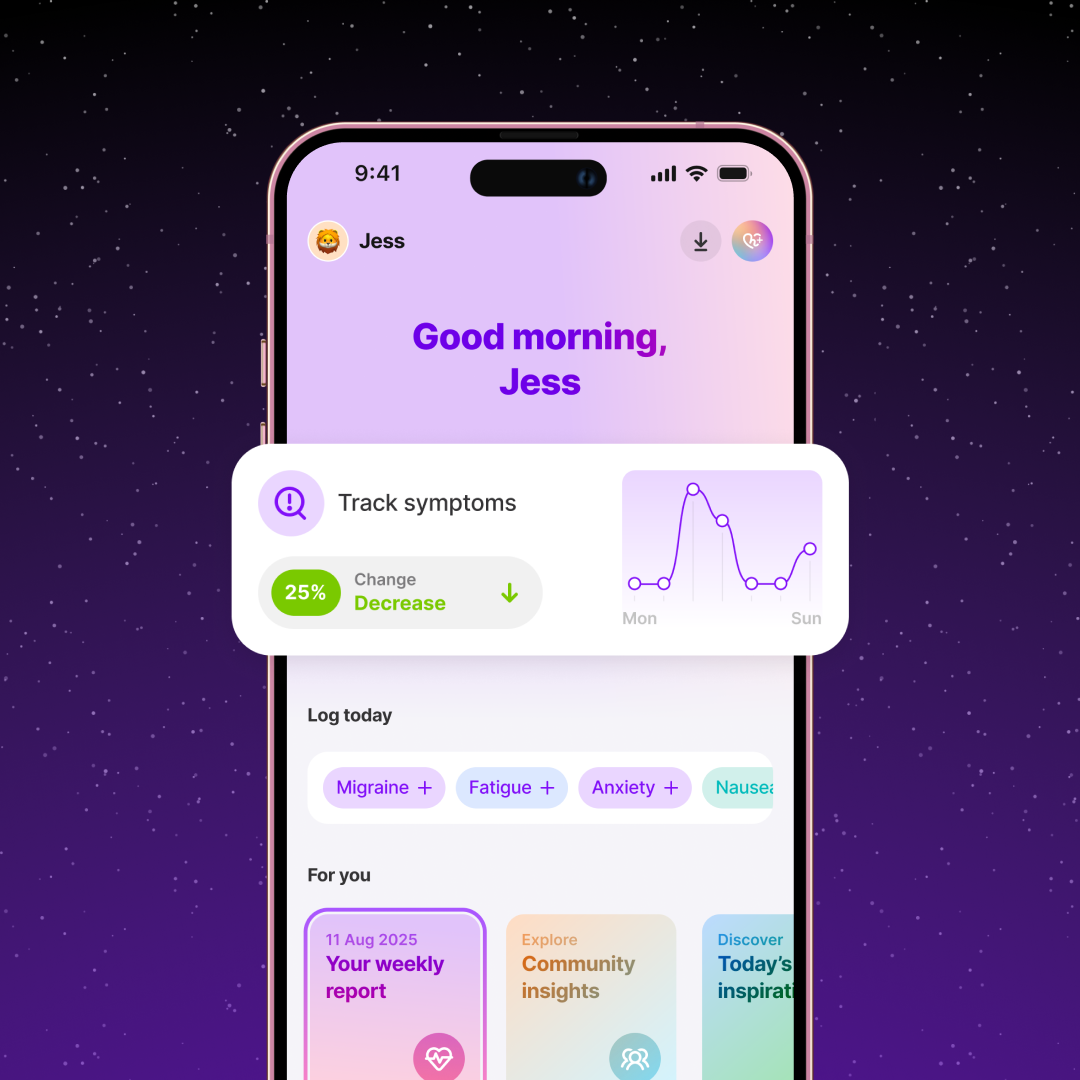
Living with fibromyalgia often means managing pain, fatigue, sleep challenges, and sometimes, unpredictable itching. It can feel like a lot to keep track of. The Human Health app lets you bring all these pieces together in one place so you can see how they connect.
You can log symptoms, medications, and routines, then notice how changes affect how you feel day to day. Over time, patterns begin to emerge, showing what helps most and what might make symptoms flare.
You can also export a summary to share with your healthcare provider, making medical appointments easier and more productive, putting you on track to relief from fibromalgia symptoms.
Disclaimer: Human Health is a health tracking platform and does not provide medical advice, diagnosis, or treatment. The information in this guide is for educational purposes only and is not a substitute for professional medical care. Always consult your doctor or healthcare provider with questions about your health.
Sources:
- Itch intensity and characteristics in fibromyalgia patients in an outpatient rheumatology clinic (2020)
- Fibromyalgia and Skin Disorders: A Systematic Review (2024)
- Psoriasis and Fibromyalgia: A Systematic Review (2024)
- The Science of Fibromyalgia
- Itch: from the skin to the brain - peripheral and central neural sensitization in chronic itch
- Frontiers in pruritus research: scratching the brain for more effective itch therapy (2006)
- Fibromyalgia and Itching: Causes and treatment, Medical News Today
- Mechanisms and Management of Itch in Dry Skin (2020)
- Neuropathic Itch (2020)
- Itch: from the skin to the brain – peripheral and central neural sensitization in chronic itch (2023)
This is a div block with a Webflow interaction that will be triggered when the heading is in the view.

Learn more

Fibromyalgia and arthritis: Overlaps & management advice


Fibromyalgia ear pain: Causes, symptoms, and relief tips

Fibromyalgia and Sleep: Impact, Causes & 5 Management Tips

What are the differences between fibromyalgia and migraines?

Differences Between Fibromyalgia and Chronic Fatigue Syndrome
Manage Your Fibromyalgia Symptoms with the Human Health App
Stay on top of your fibromyalgia journey with clear, data-driven insights from your daily health logs.


Pro tip
If your itching comes and goes, try recording when it happens, how long it lasts, where it occurs, and whether it’s accompanied by pain, tingling, burning, or other symptoms. Over time, these details may help you identify patterns and have more informed conversations with your healthcare provider.
Pro tip
Because fibromyalgia affects everyone differently, not everyone with the condition experiences itching. Tracking when symptoms occur and whether they appear alongside pain, stress, medication changes, or other symptoms may help you better understand your own patterns.
.png)


